
Writing Retreats
2027 Programme Offer: On the Fringe
Our ten land-based writing retreats exploring the extraordinary lives that exist everywhere, often just beyond the reach of our attention.
On the Fringe begins with:
The extraordinary can be found in any life, if we know how to listen for it.
The person selling vegetables, repairing a roof, raising five children, driving a bus, or sitting beside you at the pub may contain as much strangeness, beauty, contradiction, history, tragedy, comedy, and imaginative possibility as the explorer, the revolutionary, the celebrity, or the person whose name has already entered history. The artist’s responsibility is to have the ears to hear it and the craft to make others listen.
No life is ordinary when you learn how to listen.
Across the retreats, you’ll explore how writers listen for and represent these lives: how place shapes memory, how work becomes knowledge, and how migration, inheritance, loss, landscape, humour, ritual, and chance accumulate within a single human life. We’re particularly interested in stories that remain on the fringe of literary and public attention—not because the lives themselves are marginal or unremarkable, but because few have stopped long enough to listen.
You’ll consider both sides of that artistic encounter: how to listen attentively to the people around you, and how to transform what you hear and observe into literature without flattening, sentimentalising, or exploiting the lives entrusted to you.

Each retreat combines creative practice, community encounter, and environmental stewardship through The Story Burn’s model of creative reciprocity. You’ll take part in the life of the place: interviewing community members around the week’s theme, listening to local stories, sharing your own work at public story and open-mic nights if you wish, and having the opportunity to put something tangible back into the landscape.
You don’t come to Scotland to simply to take inspiration home. You come to listen, to make, to share—and to leave something growing behind you.
Your week will include workshops, writing sessions, interviews with community members, one-to-one meetings with a published tutor, and a dedicated wild-writing day (weather permitting), culminating in optional practical ecological restoration such as native planting and rewilding alongside local environmental initiatives.
Just as important is the community that forms around the work. Shared meals and informal gatherings bring you into conversation with writers and the wider authorial community, while encounters with editors and other literary practitioners can help you think about where your work might go next and how to carry it forward beyond the retreat.
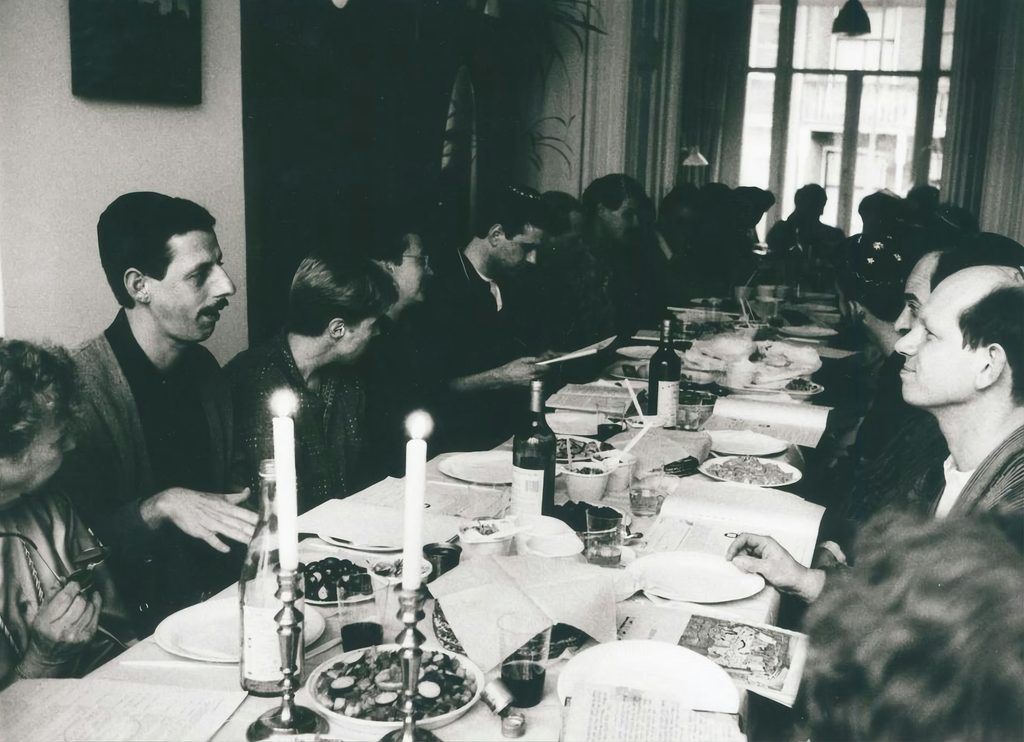
And the work need not end when the retreat does. You’ll have the opportunity to submit writing you bring with you, develop during the week, or begin here for consideration in The Story Burn’s publications—creating a possible path from encounter, to writing, to a wider readership.
On the Fringe asks you to look where attention does not usually linger, to have ears to hear what is there, and to find the craft that reveals the extraordinary life that may have been in plain sight all along.

Between Worlds
January 14-17, 2027
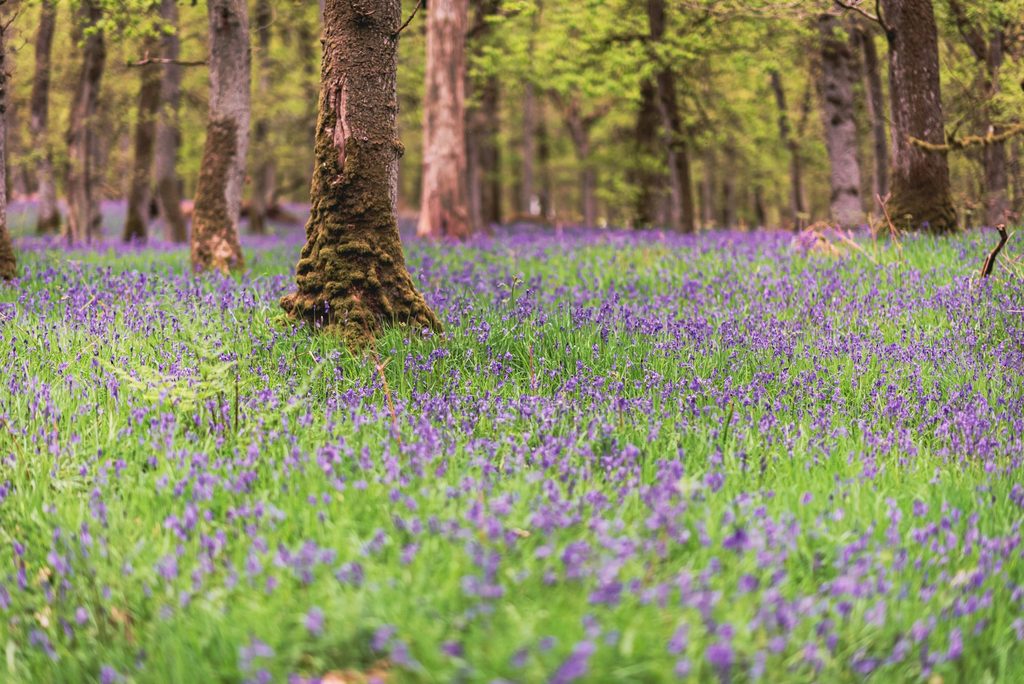
Held at the beginning of a new year, Between Worlds is a retreat about life’s turning points. Together we’ll explore the thresholds that shape us—a new country, retirement, grief, illness, becoming a parent, leaving a faith, or beginning again. Whether you’ve felt like a stranger in your own world or you’re creating characters who venture into new ones, we’ll discover how change, uncertainty, and hope become the heart of compelling writing.
We will interview recent immigrants to Scotland, a Romani recently converted to Catholicism after practicing Hinduism, a wedding dress attendant, and a trans man.
Kindling
January 18-21, 2027
Remembering what keeps us writing. Games, first lines, sparks, fascinations, creative play, and generating a communal store of ideas to take home.
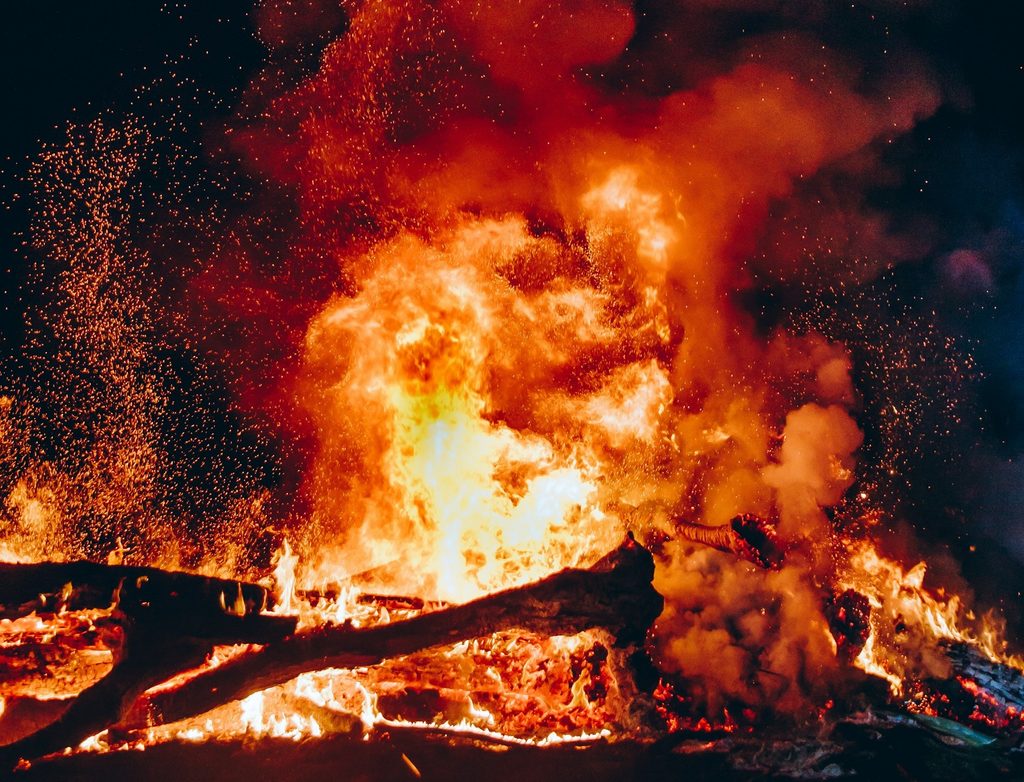
This retreat is about finding the heat of passion in writing, with a writing community, even during the coldest parts of the year.
We will interview a firefighter and make him uncomfortable by setting minor fireworks alight.

The Art of Astonishment
February 8-11, 2027
Here’s how to fall in love with the world again. Attention, wonder, delight, curiosity, and recovering the writer’s capacity to be surprised by what is already around us.
How do we resist becoming accustomed to the world? A blackbird hopping across a pavement. Someone repairing a stone wall. The contents of a stranger’s shopping basket. Lichen on a gravestone. The particular green of February moss. Become an expert in something completely insignificant: Twenty minutes with one tree, one gravestone, one shop window, a puddle a bird, one sentence.
We will interview an acclaimed entymologist as well as members of a graveyard preservation team.
Typing in the Blast Radius
February 15-18, 2027
This is the dark twin to The Art of Astonishment: one asks us to fall in love with the world; the other asks what we do when the world frightens or breaks us.
Typing in the Blast Radius explores what it means to keep making art in times of upheaval. War, political turmoil, climate anxiety, private catastrophe—how do we write while something is burning just beyond the window? We’ll look at writers who have made work from inside uncertainty and experiment with ways of turning anger, fear, absurdity and helplessness into something alive on the page.
Interviews will include protectors of a battered women’s shelter and members of the refugee community


Artists on Artists
March 8-11, 2027
What happens when writers stop looking only to other writers for inspiration? Artists on Artists turns toward painters, sculptors, musicians, weavers, designers and makers—and asks what their practices can teach us about our own. We’ll explore how other artists think about colour, form, rhythm, texture, revision and failure, then steal shamelessly from their ways of working and bring what we discover back to the page.
We will tap into our local artist scene, celebrate their productions, and you might even weave a scarf.
Every Stranger, a Universe
March 15-18, 2027
Everyone we pass is carrying a world we cannot see. Every Stranger Is a Universe is about writing beyond ourselves: meeting people, listening closely, asking better questions and discovering the stories contained inside lives other than our own.
Through conversations with invited story-sharers (the local butcher, reverend, shopkeeper, taxi driver, repair man) we’ll explore how real encounters can open unexpected doors into fiction, nonfiction and poetry.

Found Objects / The Story of Things
April 5-8, 2027
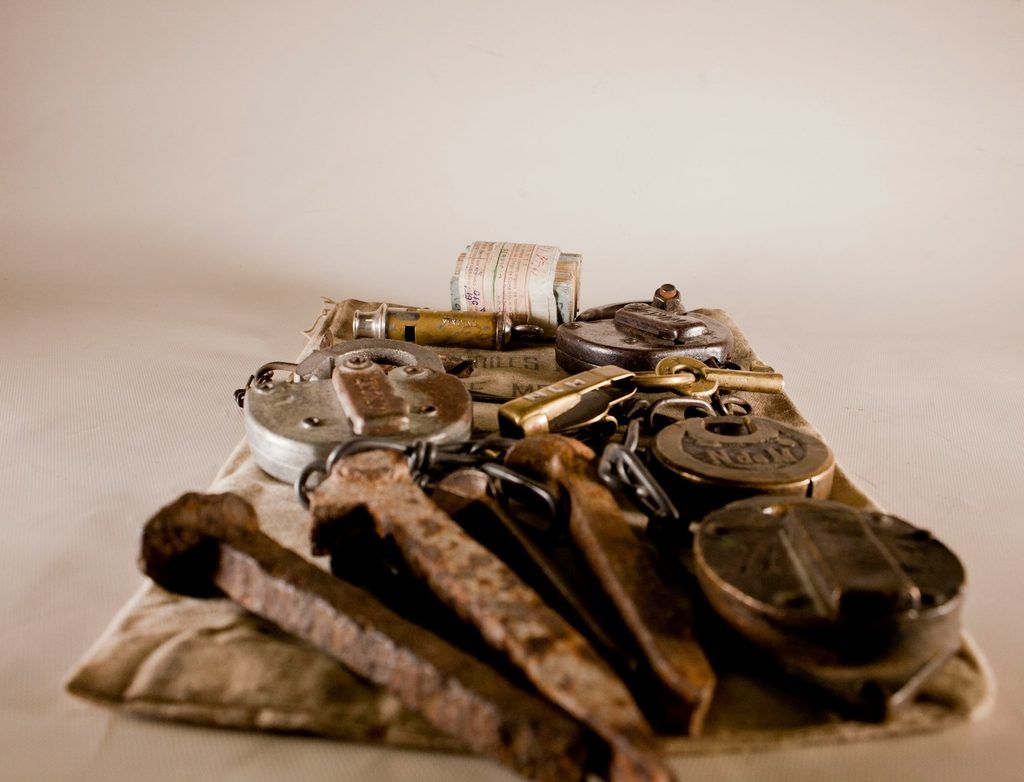
A key. A photograph. A button. A recipe card. Something pulled from the back of a drawer or picked up beside a path.
We’ll use objects as doors into stories—looking closely, inventing histories, following associations and discovering how much narrative can hide inside a seemingly insignificant thing. Part treasure hunt, part writing laboratory.
We will interview vintage and charity shop volunteers and artists who use trash and reclaimed objects to make their crafts.
Let’s Get Lost
April 12-15, 2027
Maps tell us where things are, but writers are interested in everything they leave out. This retreat uses maps—real, remembered and invented—as ways into story. We’ll map childhoods, journeys, imagined worlds, lost places and characters’ territories, wander with maps through the landscape around us, and experiment with what happens when geography becomes a way of constructing narrative.
We will also get lost on the trails around Dunblane, Bridge of Allan, and Stirling. Bring your hiking shoes!


The Secret Garden
May 10-13, 2027
Hidden worlds, gardens, plants, growth and the relationship between interior and exterior landscapes.
The centerpiece of this retreat is writing in the incredible private gardens of Bridge of Allan that welcome our authors to sit and become enchanted in their spaces. We will also interview a few of the gardeners to share with us about their lives.
The Thin Veil: Writing Death
Novemebr 8-11, 2027
Through the Veil turns toward ancestors, hauntings, folklore, thin places, and the things that refuse to stay buried. We’ll explore how writers give shape to what cannot quite be seen—and what happens on the page when the boundary between the living and the dead grows thin.
